Freight Cost Reduction Strategies: A Complete Guide for Logistics Managers
Introduction
Freight costs represent one of the largest and most variable line items in any supply chain budget. For logistics managers, the pressure to cut transportation spend without sacrificing service levels has never been greater. Fuel surcharges, driver shortages, rising accessorial fees, and carrier rate increases have pushed average truckload rates up significantly over the past several years, and shippers who rely on outdated procurement strategies are leaving substantial savings on the table.
The good news is that a disciplined, data-driven approach to freight cost management can yield reductions of 10 to 25 percent or more without compromising delivery performance. This guide covers ten proven strategies that logistics managers can implement immediately, from optimizing load planning to renegotiating carrier contracts and leveraging technology to eliminate waste.
Whether you manage a regional distribution network or a national supply chain with hundreds of lanes, these strategies apply across industries and shipment volumes. The key is knowing where to start and how to prioritize your efforts for maximum impact.
Why Freight Costs Keep Rising
Before diving into solutions, it helps to understand the structural forces driving freight cost increases. Fuel remains the most volatile input, with diesel prices directly affecting carrier operating costs and, by extension, the fuel surcharges passed on to shippers. The per-mile fuel surcharge on a standard truckload shipment can add 20 to 30 percent to the base rate depending on current diesel prices.
Driver compensation is the second major driver. The trucking industry faces a persistent driver shortage, with the American Trucking Associations estimating a shortfall of tens of thousands of qualified drivers. Carriers have responded by raising driver pay, and those costs flow directly into freight rates. Equipment costs, insurance premiums, and regulatory compliance (ELD mandates, emissions standards) add further pressure.
Accessorial charges represent a growing and often overlooked cost category. Detention fees, liftgate charges, residential delivery surcharges, and redelivery fees can add hundreds of dollars to individual shipments. Many shippers do not audit these charges systematically, which means they pay for fees that should have been disputed or avoided entirely.
Understanding these cost drivers is the foundation for building an effective reduction strategy. You cannot manage what you do not measure, and you cannot negotiate effectively without knowing where your money is actually going.
Strategy 1: Conduct a Freight Spend Audit
The first step in any cost reduction initiative is knowing your current baseline. A freight spend audit involves pulling 12 to 24 months of invoice data and analyzing it by lane, carrier, shipment mode, weight break, and accessorial category. Most shippers are surprised by what they find.
Common findings include duplicate charges, billing errors, accessorial fees that were applied incorrectly, and lanes where spot rates were used repeatedly when contract rates would have been cheaper. Industry benchmarks suggest that 2 to 5 percent of freight invoices contain billing errors, and many go unpaid simply because the shipper lacks the bandwidth to audit every line item.
Start by categorizing your spend into three buckets: base freight charges, fuel surcharges, and accessorials. Then rank your top 20 lanes by spend. These high-volume, high-cost lanes are where negotiation and optimization efforts will deliver the greatest return. Once you have a clear picture of where your money is going, every subsequent strategy becomes more targeted and effective.
Strategy 2: Optimize Load Planning and Consolidation
One of the fastest ways to reduce per-unit freight costs is to ship more product per load. Empty space in a trailer is wasted money. Load optimization involves maximizing the cubic volume and weight utilization of every shipment, which directly reduces the number of loads required and the cost per unit shipped.
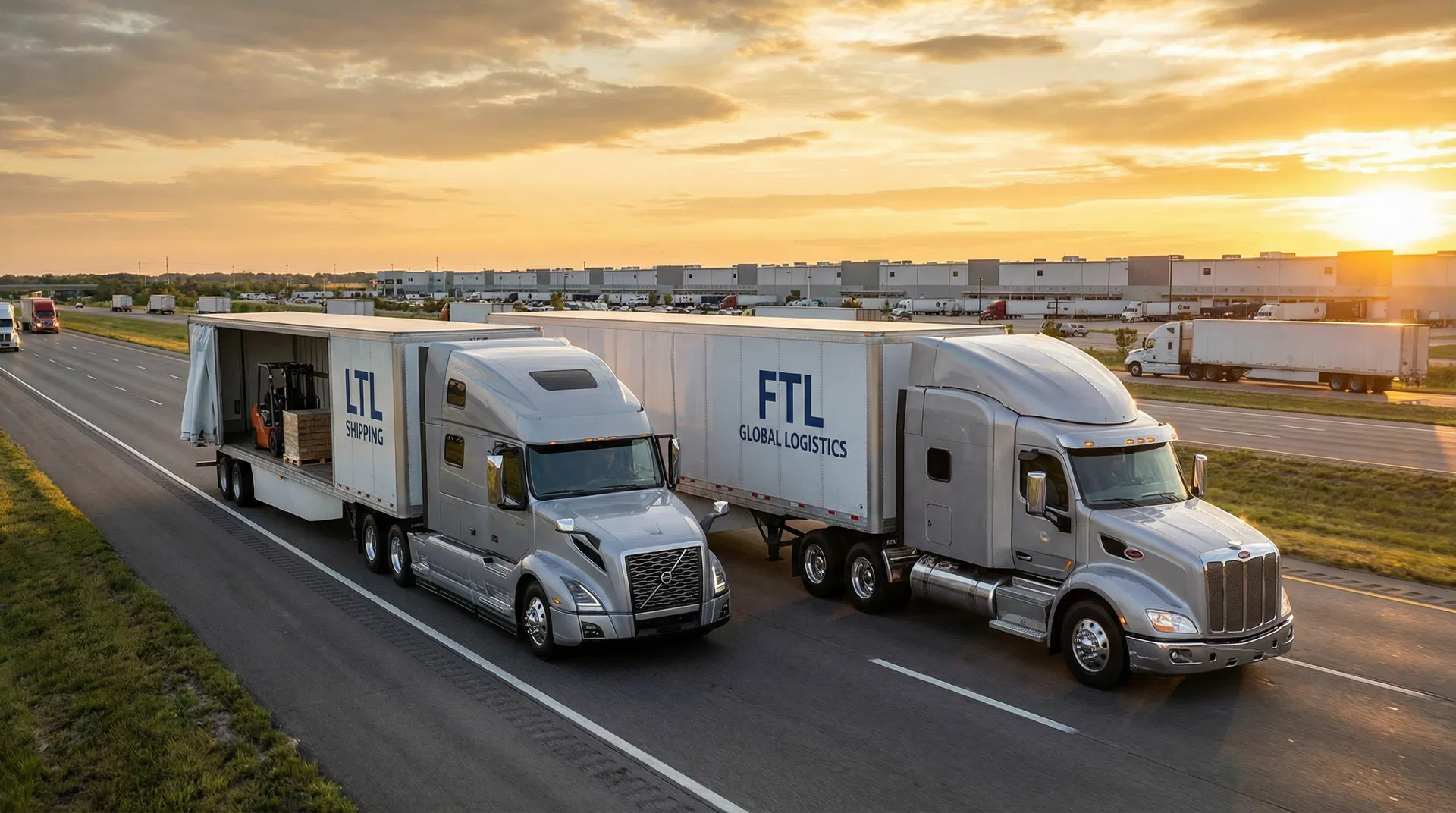
For shippers with multiple smaller shipments going to the same region, freight consolidation is a powerful tool. Instead of shipping three partial loads to the same destination on different days, consolidating them into a single full truckload (FTL) shipment typically costs significantly less than the combined LTL rates. The tradeoff is that consolidation may require holding freight for a day or two, so it works best for non-time-sensitive shipments.
Cross-docking is a related strategy that PAC Runners specializes in. Rather than warehousing inbound freight and then re-picking it for outbound shipment, cross-docking transfers goods directly from inbound to outbound trailers at a distribution point, eliminating storage costs and reducing handling time. For high-volume, predictable freight flows, cross-docking can reduce total logistics costs by 15 to 30 percent compared to traditional warehousing and distribution models.
Strategy 3: Renegotiate Carrier Contracts Strategically
Most carrier contracts are renegotiated annually, but many logistics managers approach this process reactively rather than strategically. Walking into a rate negotiation without data is a significant disadvantage. Carriers have sophisticated pricing models and know exactly what your freight costs them to move. You should too.
Effective contract negotiation starts with a clear picture of your freight profile: total volume by lane, average shipment weight, seasonal patterns, tender acceptance rates, and service performance history. Carriers value predictability and volume. Shippers who can commit to consistent volume on specific lanes and offer high tender acceptance rates (the percentage of loads you offer that the carrier accepts) are in a strong negotiating position.
Consider consolidating your carrier base. Many shippers spread volume across too many carriers, which dilutes their negotiating leverage with each one. Identifying two or three preferred carriers per lane and committing more volume to them in exchange for better rates is a proven approach. You also reduce the administrative burden of managing a large carrier network.
Do not overlook fuel surcharge tables. The fuel surcharge methodology (typically tied to the Department of Energy weekly diesel index) can vary significantly between carriers and can be negotiated. Even a small reduction in the fuel surcharge percentage can add up to meaningful savings across thousands of shipments per year.
Strategy 4: Shift Modal Mix Where Appropriate
Truckload and LTL are not always the most cost-effective modes for every shipment. Logistics managers who default to over-the-road trucking for all freight may be missing significant savings opportunities by not evaluating intermodal, rail, or partial truckload options.
Intermodal shipping (combining truck and rail) typically costs 10 to 20 percent less than straight truckload for lanes of 750 miles or more. The tradeoff is transit time: intermodal moves generally add one to two days compared to direct truckload. For non-time-sensitive freight, this is often an acceptable tradeoff that generates substantial annual savings.
Partial truckload (PTL) is another underutilized option that sits between LTL and FTL. For shipments in the 5,000 to 20,000 pound range that are too large for LTL pricing but do not fill a full trailer, PTL can offer better rates and faster transit times than LTL while avoiding the full cost of a dedicated truckload. Not all carriers offer PTL, but it is worth evaluating for the right freight profile.
The key is to analyze each lane individually rather than applying a blanket mode policy. A lane that makes sense for intermodal in the summer may require truckload in the fourth quarter when rail capacity tightens and delivery windows compress.
Strategy 5: Reduce Accessorial Charges
Accessorial charges are the hidden cost that many logistics managers underestimate. Detention fees alone can add thousands of dollars per month to a shipper's freight bill, and they are largely preventable with better operational practices.
Detention is charged when a driver waits at a shipper's facility beyond the free time allowed (typically two hours for loading or unloading). The root causes are almost always operational: slow dock scheduling, inadequate staffing, poor inventory organization, or inefficient loading processes. Addressing these root causes directly reduces detention charges and improves carrier relationships, which in turn leads to better service and rate negotiations.
Liftgate charges apply when a shipment requires a truck equipped with a liftgate for delivery. If your receiving locations have loading docks, you can often eliminate liftgate charges by ensuring carriers know to use dock-height trailers. Residential delivery surcharges apply when freight is delivered to a home address rather than a commercial location. If your business ships to residential addresses, negotiating a flat residential rate or switching to a carrier with lower residential surcharges can generate meaningful savings.
Audit your accessorial charges monthly. Dispute any that were applied incorrectly. Track which carriers generate the most accessorial charges and factor that into your carrier selection decisions.
Strategy 6: Improve Shipment Visibility and Proactive Exception Management
Poor visibility into in-transit shipments leads to reactive, expensive decision-making. When a shipment is running late and you do not know about it until the customer calls, your options are limited and costly: expedited re-ship, air freight, or a service failure. Real-time shipment visibility allows you to identify exceptions early and intervene before they become expensive problems.
Modern transportation management systems (TMS) and carrier tracking integrations provide real-time location data, estimated arrival times, and automated alerts for exceptions. When a shipment is flagged as at risk of missing its delivery window, a proactive logistics manager can reroute, expedite, or notify the customer before the failure occurs. This reduces both the cost of service failures and the downstream costs of customer dissatisfaction.
Visibility also improves carrier accountability. When carriers know their performance is being tracked in real time, on-time delivery rates tend to improve. Carriers that consistently underperform can be identified and replaced with better-performing alternatives on those lanes.
Strategy 7: Leverage Freight Technology and TMS
A transportation management system is one of the highest-ROI investments a logistics operation can make. A well-implemented TMS automates rate shopping across carriers, optimizes load planning, manages carrier contracts, tracks shipments in real time, and generates the reporting data needed to make informed decisions.
For shippers without a TMS, the manual processes involved in getting quotes, booking loads, and tracking shipments consume significant staff time and introduce errors. A TMS eliminates most of that manual work and typically pays for itself within 12 to 18 months through rate savings and efficiency gains alone.
Even without a full TMS, freight audit and payment software can recover significant costs. These tools automatically compare invoiced charges against contracted rates and flag discrepancies for review. Given that 2 to 5 percent of freight invoices contain errors, automated auditing pays for itself quickly for any shipper with meaningful freight volume.
Strategy 8: Optimize Packaging and Dimensional Weight
Dimensional weight pricing (DIM weight) is a billing method used by LTL carriers and parcel carriers that charges based on the size of a package rather than its actual weight when the package is large but light. If your packaging is not optimized for DIM weight, you may be paying significantly more than necessary.
The fix is straightforward: right-size your packaging. Use the smallest box or pallet configuration that safely protects your product. Eliminating excess air space in shipments reduces DIM weight charges and also allows more product to fit per load, improving load utilization. For high-volume shippers, packaging optimization projects can generate five-figure annual savings.
For palletized freight, consider whether your pallet configuration is optimized for the carrier's pricing structure. Some carriers charge based on pallet count rather than weight, which means consolidating two half-full pallets into one full pallet can cut the cost of that shipment in half.
Strategy 9: Build Stronger Carrier Relationships
Freight is a relationship business. Shippers who treat carriers as interchangeable commodities and constantly chase the lowest spot rate tend to get lower service quality, higher rejection rates during tight capacity markets, and less flexibility when problems arise. Shippers who invest in strong carrier relationships get better rates, priority capacity, and partners who will go the extra mile when it matters.
Building strong carrier relationships starts with being a good shipper. That means accurate freight information, on-time appointments, fast loading and unloading, and paying invoices on time. Carriers track shipper performance just as shippers track carrier performance, and your reputation as a shipper affects the rates and service you receive.
Communicate regularly with your preferred carriers. Share your freight forecasts so they can plan capacity. Give them advance notice of volume changes, seasonal peaks, and new lanes. Carriers who can plan ahead are more likely to offer competitive rates and reliable service than those who are constantly surprised by your needs.
Strategy 10: Partner with a 3PL or Logistics Provider
For many shippers, the most cost-effective freight cost reduction strategy is partnering with a third-party logistics provider (3PL) that has the scale, technology, and carrier relationships to deliver better rates and service than the shipper can achieve independently.
A 3PL aggregates freight volume across many shippers, which gives it negotiating leverage with carriers that individual shippers cannot match. A mid-size shipper spending $2 million per year on freight may get reasonable rates, but a 3PL spending $200 million per year across its client base gets significantly better rates and passes those savings on to its clients.
Beyond rates, a 3PL provides access to technology, expertise, and carrier networks that would be expensive to build internally. For shippers who lack the staff or systems to implement the strategies described in this guide, a 3PL partnership can deliver immediate savings while freeing internal resources to focus on core business activities.
PAC Runners works with logistics managers across industries to optimize freight spend, improve service levels, and build more resilient supply chains. Our team combines deep carrier relationships, advanced technology, and hands-on expertise to deliver measurable results for every client we serve.
Putting It All Together: A Freight Cost Reduction Roadmap
Implementing all ten strategies simultaneously is not realistic. The most effective approach is to prioritize based on your current situation and the potential impact of each strategy.
Start with the freight spend audit. It costs nothing but time and will reveal where your biggest opportunities are. Use those findings to prioritize your next steps. If accessorial charges are a major issue, focus there first. If your carrier contracts are due for renewal, prepare your data and negotiate from a position of strength.
Build a 90-day action plan with specific, measurable goals. For example: reduce detention charges by 20 percent in 90 days by implementing dock scheduling software. Reduce LTL spend by 10 percent in 90 days by consolidating three weekly LTL shipments to the same region into one weekly FTL shipment.
Track your results monthly. Freight cost management is not a one-time project. It is an ongoing discipline that requires consistent attention, regular data review, and a willingness to adapt as market conditions change.
Frequently Asked Questions
What is the fastest way to reduce freight costs?
The fastest wins typically come from two areas: auditing your freight invoices for billing errors and eliminating unnecessary accessorial charges. Both can be addressed immediately without changing carriers or renegotiating contracts. Billing error recovery and accessorial charge reduction can often generate savings within 30 to 60 days of focused effort.
How much can logistics managers realistically save on freight costs?
The range varies widely depending on the current state of your freight program. Shippers with no formal cost management program in place often achieve 10 to 20 percent savings in the first year through a combination of carrier renegotiation, load optimization, and accessorial reduction. More mature programs typically target 3 to 7 percent annual improvements.
Is it better to use a TMS or a 3PL for freight cost reduction?
The two are not mutually exclusive. A TMS is a technology tool that helps you manage your own freight program more efficiently. A 3PL is a service provider that manages freight on your behalf. Many shippers use both: a 3PL for carrier procurement and management, and a TMS for visibility and reporting. The right choice depends on your volume, internal capabilities, and strategic priorities.
How does freight consolidation work in practice?
Freight consolidation involves combining multiple smaller shipments going to the same destination or region into a single larger shipment. This can be done by holding freight at an origin facility until enough volume accumulates for a full load, or by using a cross-dock facility where freight from multiple origins is combined before the final delivery leg. PAC Runners offers cross-docking services specifically designed to support freight consolidation for shippers with multi-origin supply chains.
What accessorial charges are most commonly disputed?
Detention and layover charges are the most frequently disputed, followed by liftgate charges applied to shipments that did not require a liftgate, and address correction fees on LTL shipments. Fuel surcharge calculation errors are also common, particularly when the carrier applies a higher surcharge bracket than the actual diesel price warrants.
How often should logistics managers renegotiate carrier contracts?
Most carrier contracts are annual, but market conditions can shift significantly within a year. It is worth reviewing your top lanes quarterly and having a conversation with your carrier representatives if rates have moved significantly in either direction. In a soft freight market, you may be able to renegotiate mid-contract for better rates. In a tight market, locking in rates early before peak season can protect your budget.
Conclusion
Freight cost reduction is not about finding a single magic solution. It is about building a systematic, data-driven approach to managing one of your largest operating expenses. The ten strategies in this guide, from conducting a freight spend audit to partnering with the right logistics provider, give logistics managers a comprehensive toolkit for driving meaningful, sustainable savings.
The most important step is to start. Pick one strategy, set a measurable goal, and execute. Build on that success with the next initiative. Over time, these incremental improvements compound into a freight program that is significantly more efficient, more cost-effective, and more resilient than what most shippers operate today.
If you are ready to explore how PAC Runners can help your organization reduce freight costs and optimize your supply chain, request a quote or contact our team today. We work with logistics managers across industries to deliver measurable results, and we would be glad to show you what is possible for your specific freight profile.
Stay Updated
Get the latest logistics insights, industry trends, and supply chain tips delivered to your inbox.
We respect your privacy. Unsubscribe at any time.